


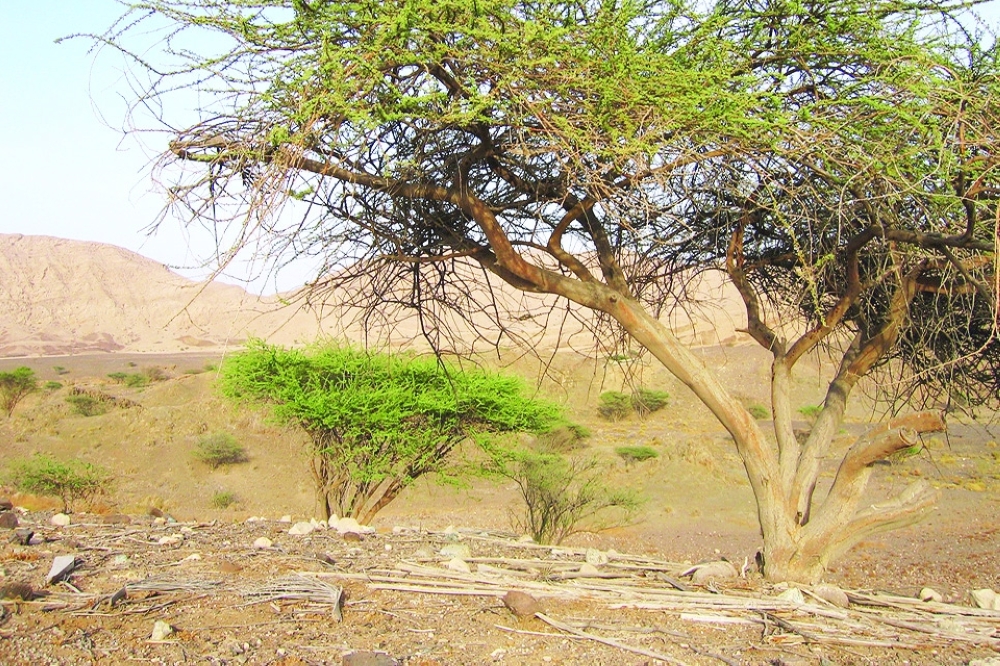





MUSCAT: Despite its arid landscape, vegetation cover in Oman remains a vital environmental asset. In recent years, the country has intensified efforts to expand and protect green cover as part of a broader sustainability agenda aligned with Oman Vision 2040.
The Environment Authority continues to roll out ambitious programmes to increase green spaces, supporting national strategies aimed at combating climate change and promoting environmental resilience.
According to the Authority’s final report on the National Initiative to Plant Ten Million Trees (2020-2025), approximately 856,142 wild trees have been planted, alongside the distribution of 652,241 trees across various governorates. In addition, more than 59.1 million seeds have been sown as part of vegetation rehabilitation efforts.
Mangrove cultivation has seen significant expansion, with around 11.38 million mangrove trees planted. This plays a crucial role in protecting coastlines, enhancing biodiversity and increasing carbon absorption capacity.
As part of these efforts, the Authority has conducted nationwide environmental campaigns focused on planting native species. These initiatives have contributed to restoring natural habitats while also raising environmental awareness among communities.
The campaigns aim to mitigate environmental challenges, restore ecological balance and promote the cultivation of indigenous plants — key to sustaining natural resources and improving quality of life.
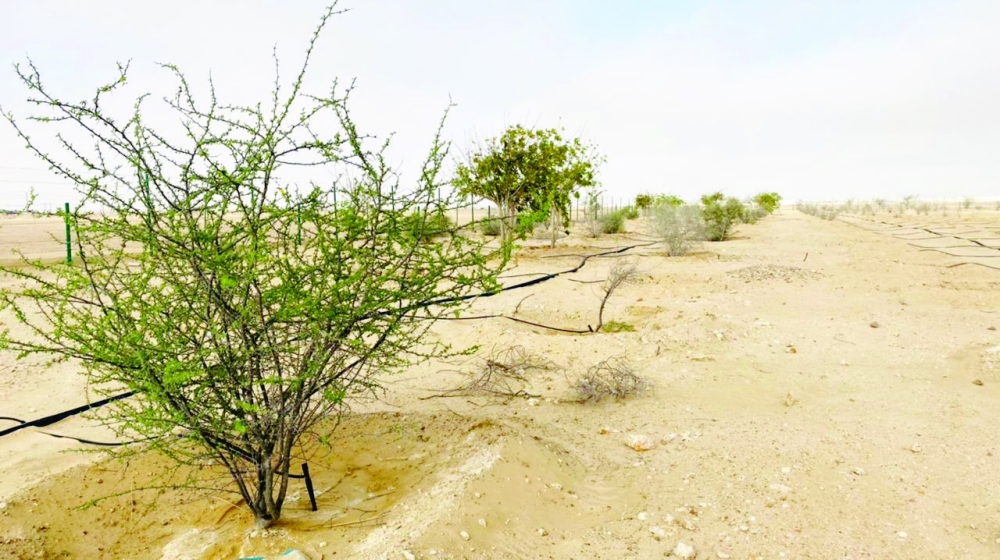
Dr Mohammed bin Rashid al Maamari, Director of the Cultivation and Nurseries Department at the Environment Authority, said these initiatives reflect the Authority’s commitment to strengthening plantation efforts across all governorates. He highlighted the importance of coordinated institutional and community engagement to achieve the initiative’s goals.
Data from the report shows varying sustainability rates across planting methods. Mangroves recorded a 76-per cent success rate, compared to 60 per cent for wild trees and 86 per cent for distributed trees. Seeds, however, showed a lower sustainability rate of around 2 per cent, underscoring the environmental challenges associated with direct seeding.
In terms of environmental impact, the annual carbon reduction from these initiatives is estimated to range between 108,000 and 520,000 tonnes of CO₂ equivalent, with an average of approximately 314,000 tonnes annually. This highlights the initiative’s contribution to Oman’s long-term carbon neutrality goals.
Looking ahead, Oman is preparing to implement a series of strategic projects aimed at further enhancing vegetation cover. These include expanding urban afforestation using native, water-efficient species, developing green corridors in cities and along road networks, and increasing mangrove plantations in coastal areas.
Oman is also set to host Oman Climate Week 2026 in September, bringing together international stakeholders to showcase environmental initiatives, promote innovation in green solutions and support the transition towards a low-carbon economy.
Future plans indicate a major scale-up under the 'Plant Oman 2050' initiative, which aims to plant around 300 million trees, including 50 million mangroves, 100 million fruit trees and 150 million native trees. This ambitious vision is expected to strengthen climate adaptation efforts and advance sustainable development.
The report underscores that Oman’s approach to enhancing vegetation cover is evolving beyond quantitative targets. It now places greater emphasis on improving planting quality, increasing sustainability through nature-based solutions, optimising resource management and strengthening cross-sector partnerships — contributing to the development of a more integrated and resilient ecosystem.
Oman Observer is now on the WhatsApp channel. Click here


